

Weight Loss: What, Why, When, Where, Who, and How to
Navigating the world of weight loss can be a daunting task. With so much conflicting information, false myths, and hope for shortcuts, it's easy to get lost.
This guide breaks it down to give you a clear, science-backed path to understanding and achieving sustainable fat loss and general health.
What is Fat and the Differences between Fat Loss from Losing Weight?
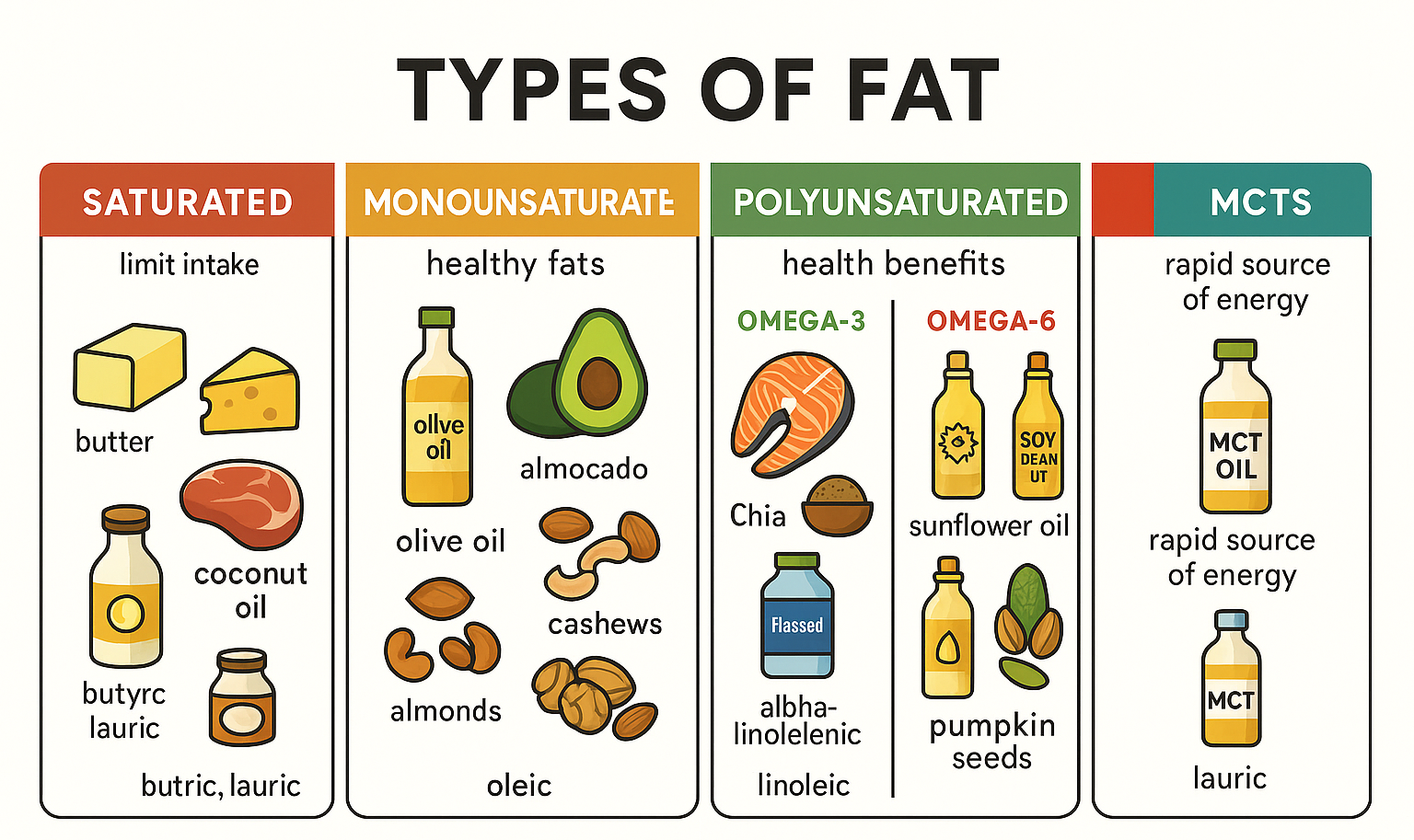
Fat is a major source of energy for low-intensity activities (i.e., everyday life), and it helps you absorb some vitamins and minerals. It is necessary to build cell membranes and the sheaths surrounding nerves. It is essential for blood clotting, muscle movement, and as an anti-inflammatory. For long-term health, some fats are better than others. Good fats include monounsaturated fats, present in avocados, nuts, seeds, and oils, and polyunsaturated fats, present in fish, nuts, seeds, and oils. Bad ones include industrially made trans fats, present in hydrogenated oils (PHOs), many commercially baked goods, fried food, and packaged snacks (cookies, chips, popcorn). Saturated fats, present, for instance, in red meat, whole milk, and other whole-milk dairy foods, cheese, coconut oil, and some commercially prepared baked goods, fall somewhere in the middle. (Source: Harvard Medical School, https://www.health.harvard.edu/staying-healthy/the-truth-about-fats-bad-and-good).
Now that we know what Fat is, it’s crucial to distinguish between weight loss and fat loss. The number you read on the scale reflects your total body mass, which includes fat, muscles, bone, organs, and water. Losing weight is not intrinsically good: your goal should be Fat loss while preserving lean muscle mass and water, as muscles are metabolically active and essential for a strong, healthy body and long life, while water is essential for the body's vital functions. Fat loss specifically refers to the reduction of stored body fat (adipose tissue).
This is why relying on a simple scale doesn’t give a real grasp on the reality of your body-weight composition. You may lose weight because of a loss in muscular tone, which may be unhealthy even though inevitable in some phases of one’s life. Or you may lose weight due to a loss of body fluids (i.e., water), which is even worse.
Using a modern scale with advanced features helps monitor your body stats.
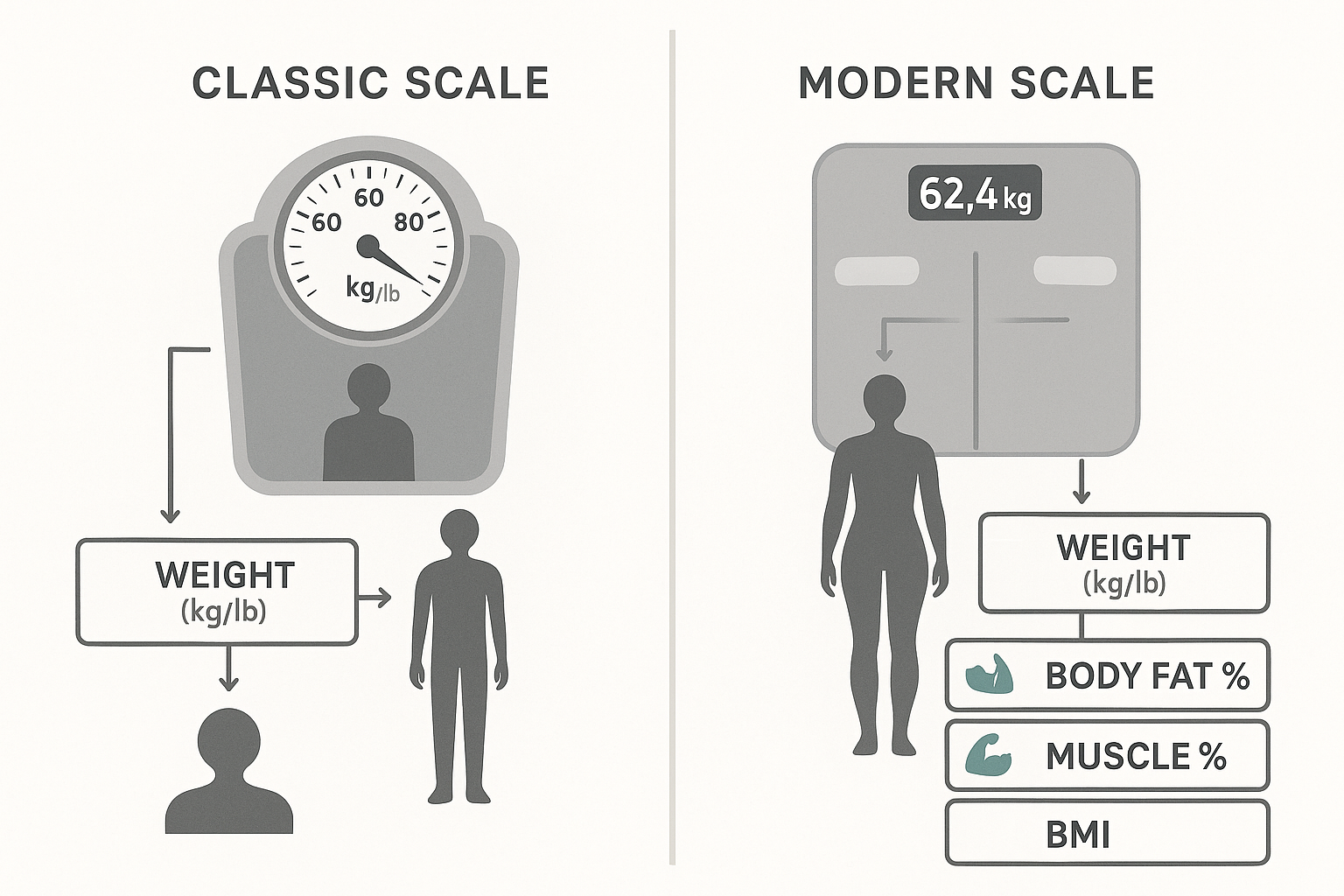
Periodic measurement of your weight is recommended, but don’t be fooled by those fluctuations: total weight may change due to hormone changes, water retention, stress, sleep quality, alcohol consumption, and bowel movements. Focus on your end goal: eat healthy!
Why Lose Fat?
Losing excess body fat isn't just about aesthetics; it's one of the most powerful steps you can take for your long-term health. Carrying excess fat, particularly around the abdomen, is linked to a higher risk of numerous chronic conditions, including:
- Type 2 diabetes
- Heart diseases and stroke
- High blood pressure
- Cholesterol
- Certain types of cancer
Improving your body composition by reducing fat can lead to better energy levels, improved mobility, and a significantly lower risk of these diseases.
(Source: WHO https://www.who.int/news-room/fact-sheets/detail/obesity-and-overweight).
When is the Right Time?
Now is the perfect time to start eating healthy, whatever your lifestyle or ambitions. Nourishing yourself well strengthens both body and mind.
However, it is worth considering a few factors:
- Your final goal: do you want to lose fat for a healthier lifestyle? Or are you looking for improvement in your diet? Do you just want to stay fit? Or are you looking for that final step in your performance?
- Your current mental status and life logistics.
The best time to start a fat loss journey is indeed when you are mentally and logistically ready to be consistent. It requires a commitment to changing habits, which is difficult during periods of extreme stress or upheaval. True readiness means you can dedicate time to planning meals, shopping for nutritious food, and incorporating regular physical activity into your routine. There is nothing worse than suffering for a few weeks to change your lifestyle, see some initial results, and drop back because maintaining the needed consistency has not been possible.
Your final goal impacts targets, type, and food amount. If you need to lose fat because your health is endangered, seek professional medical advice and strictly follow their advice. If you just want to improve your diet, learn how to read food labels, and spend more time selecting the right food while doing groceries. There are apps as well out there to help you out.
To stay fit, have a comprehensive nutrition plan and pay attention to balancing calories. If you are looking for the ultimate performance gain, seek an expert's advice.
Where Does It Happen?
Fat loss is the result of what happens in three main places:
- The Grocery Shop: If you buy only what’s good for you, you eat only what’s good for you. Create your shopping list by planning the recipes for the week, reading the labels, and never going grocery hungry. Hunger tempts you!
- The Kitchen: Nutrition is the cornerstone. The food you eat determines whether you provide your body with the right amount of nutrients.
- Your Activity Environment: Exercise, both strength training and cardiovascular activity, helps increase the energy you expend and encourages your body to retain muscle while losing fat. It's also important to understand that you cannot "spot reduce" fat from a specific area of your body. Your body decides where it loses fat from based on genetics; a consistent, overall approach is the only way (Source: ACE Fitness).
Who Should Focus on Fat Loss?
Everyone shall focus on eating healthy. However, those who have a body fat percentage that puts them in the "overweight" or "obese" category can benefit from fat loss. However, it's essential to consult a healthcare professional or a registered dietitian before starting. They can help you set realistic goals and ensure you're healthily pursuing fat loss. Individuals with a history of eating disorders or certain medical conditions should only undertake a fat loss plan under strict medical supervision.
Anybody seeking fitness and performance improvements also benefits from fat loss.
Trust only professionals and refuse everything that promises big gains in small time.
Consistency, perseverance, and hard work are always the keys. And aesthetic is a well-appreciated byproduct.
How Do You Actually Lose Fat and Weight?
Removing food from your diet usually isn’t the right approach. Unless we are talking about removing industrial, fatty, super-sugary, high-calorie food, completely removing a type of food from the diet causes more issues than benefits.
For example, due to a lack of knowledge, there has been a trend to switch to low-fat foods. But the shift isn’t making us healthier, because we are also cutting those sources of good fat.
(Source: British Heart Foundation: https://www.bhf.org.uk/informationsupport/heart-matters-magazine/nutrition/sugar-salt-and-fat/fats-explained#How_much_fat_should_I_be_eating).
Another example is the low-carb diet. Carbohydrates (carbs) are the main source of fuel for our bodies. People with excessive fat may benefit from a diet low in carbs. In this scenario, the body is forced to process fat to generate energy. However, sugar derived from carbs is also important for brain health. Finally, carbs have great water retention capabilities. Many popular low-carbohydrate diets promise rapid weight loss, and they often deliver—but it's misleading. In the initial weeks, most of the weight lost is not fat, but water.
(Source: National Library of Medicine: https://www.ncbi.nlm.nih.gov/books/NBK537084/).
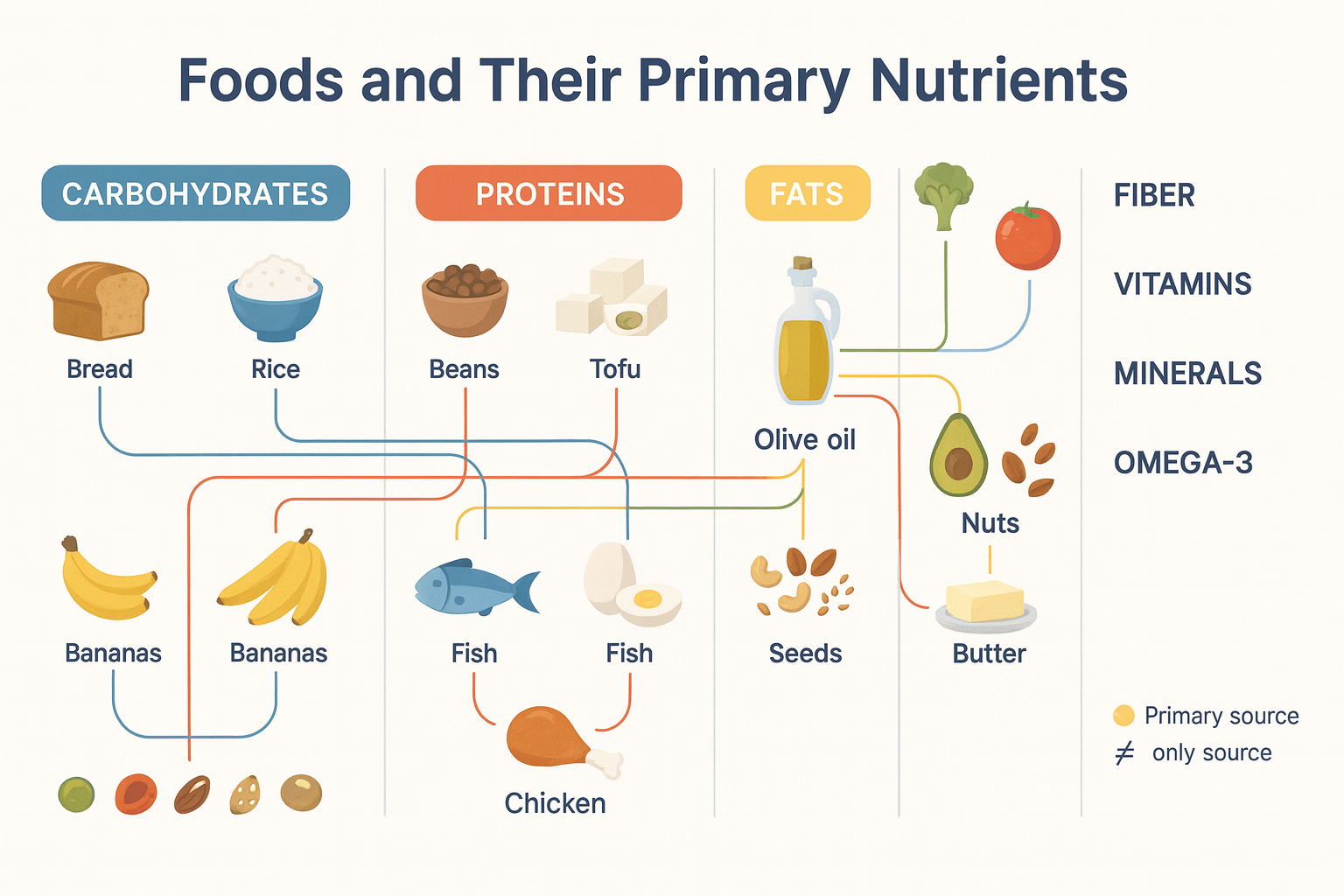
“Est modus in rebus” Latin said. The middle ground is the secret: eat the right amount of everything. Mixing a bit of everything, in addition to benefiting health by providing the body with the right amount of every nutrient, also benefits mental health: eating doesn’t become boring.
Professionals and specialized websites may help you understand what the right trade-off is. However, assuming that food diversity is respected, balancing vitamins, proteins, carbs, and fat intake, a very good rule of thumb for fat loss comes down to one core principle: calorie balance.
In fact, the fundamental law of thermodynamics applies to your body: to lose fat, you must be in a calorie deficit. This means you must expend more energy (calories) than you consume.
Calorie Deficit = Calories In - Calories Out
When the deficit is negative, you are losing weight: the body relies on stored fat to compensate for the deficit.
When it is positive, you are gaining weight: the body transforms every excessive amount of food into fat.
Calories In are everything we eat.
Calories Out is everything we consume. This is the combination of two addends:
Calories Out = Basal Metabolic Rate + Activities
The Basal Metabolic Rate is the energy your body consumes to stay alive. We also consume energy while sleeping.
The energy consumed during the activities depends on the activity itself.
It goes without saying that staying active helps fat loss both in terms of calorie balance, but also in terms of increasing the Basal Metabolic Rate. Fit muscles, even when resting, consume more calories than a couch potato body type.
Defining the right Calorie Deficit according to your goal is a matter for professional doctors; however, a good rule of thumb for fat loss without stressing the body is 500 calories per day. Knowing that 1Kg of fat corresponds to around 7000 calories, this approach should allow you to lose 2Kg per month. However, there’s a catch: if muscle mass doesn’t increase, fat loss leads to a drop in Basal Metabolic Rate. To sustain a 500-calorie daily deficit, you need to factor this in. That is also why it is essential to regularly track your progress and practice sports.
Finally, the Basal Metabolic Rate and the calories spent for activities are just estimations, hence they have a certain error tolerance. The same applies to food calories: the number you see on the label has a 20% error margin. This is to stress the fact that fat loss is not an exact science; a lot of factors influence it, and not seeing results in the short term may demotivate you. But rest assured, in the long term, your health is going to improve, and your fat percentage is going to go down.